Contents
- What is this book about?
- Who is Naval Ravikant?
- Naval's core ideas
- About the author: Eric Jorgenson
- Money and wealth are not the same
- What is money?
- What is wealth?
- Why wealth matters more than money
- Money vs. wealth
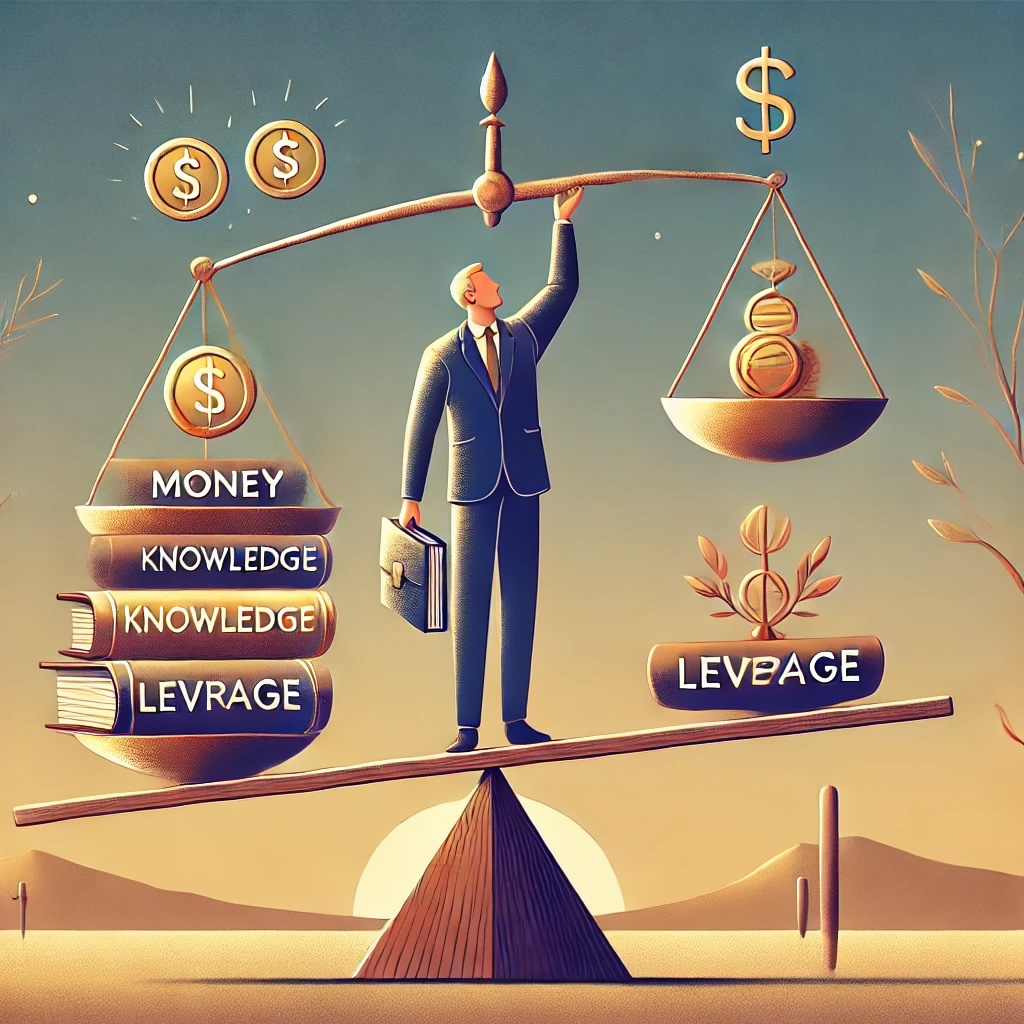
- Leverage: multiplying your impact
- Three kinds of leverage
- Why is zero-marginal-cost leverage the most powerful?
- How to use the new forms of leverage
- Retirement: not sacrificing today for an imagined tomorrow
- How to really retire
- Retirement doesn't mean stopping work — it means freedom of choice
- Real retirement isn't not working — it's finding a life worth investing in
- How much is enough? The ultimate goal of wealth
- Don't keep upgrading your lifestyle just because you earn more
- The real value of money: buying freedom, not burdens
- The essence of financial freedom: trading money for freedom, not being bound by it
- Choose the path that's hard in the short term but pays off in the long term
- Happiness is a choice
- The nature of happiness: inner abundance
- Happiness isn't a destination; it's a choice
- Desire is the source of suffering
- Desire is a contract you make with yourself
- Possessions and achievements don't equal happiness
- Let go of desire to find real freedom
- Meditation is intermittent fasting for the mind
- Peace is happiness at rest; happiness is peace in motion
- How does meditation help?
- What I took from the book
- Never give up reading
- More certain than ever that FIRE is the right path
- Chasing money alone won't bring happiness
- Conclusion: the true meaning of financial freedom
What is this book about?
The Almanack of Naval Ravikant: A Guide to Wealth and Happiness collects Naval's thinking on wealth and wisdom for living. Although it's published under his name, Naval didn't write it himself; it was compiled by Eric Jorgenson.
The material comes mainly from Naval's tweets and public talks, and many of the ideas come from one famous thread: How to Get Rich (without getting lucky).
What's special about the book is that each chapter stands on its own; you can start anywhere. And it isn't just inspirational talk — it's concrete thinking and strategy you can apply to daily life and personal growth.
Who is Naval Ravikant?
Naval Ravikant was born in India and moved to the United States with his family at age seven, growing up in poverty. Through hard work and intelligence, he became a well-known Silicon Valley angel investor, entrepreneur and thinker, and a co-founder of AngelList.
Naval's core ideas
- Getting rich without luck: focus on long-term value and leverage, not chance.
- Happiness comes from inner peace: money isn't the final goal; real happiness comes from inner freedom and contentment.
- The principle of leverage: use capital, technology and people to build wealth faster and extend your influence.
Naval was an early investor in Twitter, Uber and Postmates, with a rare feel for technology trends. Beyond his investing success, he's also an advocate of a philosophy of happiness, encouraging people to seek inner freedom rather than chase money blindly.
About the author: Eric Jorgenson
Eric Jorgenson is an entrepreneur, writer and investor. He is CEO of Scribe Media and known for writing about technology and startups.
His personal blog, ejorgenson.com, has drawn more than a million readers. He also wrote The Anthology of Balaji, about technology, truth and building the future, and invests in early-stage tech startups.
Money and wealth are not the same
Many people confuse “money” and “wealth,” but they're fundamentally different. Money is just a medium of exchange; real wealth is assets that keep producing income.
What is money?
Money is a tool for transactions that lets us exchange for labor or resources. Think of it as a kind of “social credit”: when you create value for society, society pays you money, which you can then exchange for other people's help or resources.
But money itself doesn't grow. It's only a carrier of value, and if you don't put it to use, inflation eats it away over time.
What is wealth?
Wealth is what's truly valuable — it earns money for you even while you sleep. For example:
- Stocks and financial assets: investments that produce passive income and build wealth.
- Real estate: rental property brings steady cash flow and can appreciate over time.
- Businesses and brands: owning a business or a personal brand lets your assets work for you automatically.
- Intellectual property: writing a book, making music, building software — these can keep generating income in the future.
Why wealth matters more than money
Wealth grows in value over time; money doesn't. Many people think a big savings balance means financial freedom, but if you don't turn those savings into assets that produce income, living costs will eventually use them up.
Money vs. wealth
- Money is just a tool for exchange, like ancient shells or silver coins; it doesn't multiply by itself.
- Wealth is the businesses and assets that make you money even if you do nothing. Only wealth brings real financial freedom.
Naval stresses that we should pursue wealth, not just money. Wealth is a sustainable source of income; money is only a carrier of value.
Leverage: multiplying your impact
Three kinds of leverage
- Labor
- The traditional business model: hire people to do the work and amplify your impact.
- The downside: high management costs, and people's output is limited by their working hours.
- Capital
- Using money to make money: invest in stocks, real estate and company equity, and let capital work for you.
- This is how traditional fortunes, like those on Wall Street, were made.
- Products with no marginal cost of replication (the most powerful kind)
- Extend your impact by creating once and copying endlessly, for example:
- Writing a book: a book can be sold countless times, but you write it only once.
- Code: one piece of software can serve millions of people worldwide without extra labor.
- Media: YouTube, podcasts or a blog — content that can spread without limit and reach countless people.
Why is zero-marginal-cost leverage the most powerful?
In the digital age, influence is no longer a privilege of the rich. Anyone can use leverage through content and digital products to build a personal brand with global reach.
Naval himself, for example, shared investing wisdom for free on Twitter and ended up influencing millions of people — at almost zero marginal cost.
If you want to raise your income, don't focus only on “working harder”; think about how to use leverage to create more value in the same amount of time.
How to use the new forms of leverage
- Write code: build software or apps, so digital products keep earning for you.
- Create media: YouTube, podcasts and blogs build content assets that pay off over the long run.
- Make online courses: record once, sell endlessly.
What these have in common is that time in and output out are no longer 1:1; you can create exponential growth without spending more time.
Naval believes the rich of the new era won't be those with the most employees, but those who use new forms of leverage to create value. With technology as leverage, anyone can build long-term wealth and break free from the limits of trading labor for income.
Retirement: not sacrificing today for an imagined tomorrow
The essence of retirement isn't stopping work; it's no longer sacrificing the present for a distant future. When your life is no longer constrained by money and you can freely choose what to do, you've already “retired.” That doesn't mean doing nothing; it means living each day in the most natural way, instead of forcing yourself just to make a living.
How to really retire
Retirement isn't achieved just by “saving enough money”; it's about creating enough financial freedom that you don't have to force yourself to work to cover your living costs. Concretely:
- Passive income that covers your expenses
Through investing and asset allocation, build income that flows in automatically and covers your needs, without depending on a salary. - Spend less, live simply
Cut unnecessary spending, even choose a minimalist lifestyle, and don't let material desires tie you down. When your spending falls, so does the threshold for financial freedom. - Do work you love
When your work and your interests come together, it doesn't feel like work. That is real “retirement,” because you're no longer working for money but enjoying what you do.
Retirement doesn't mean stopping work — it means freedom of choice
For Naval, building a startup is a kind of fun. His love of products lets him throw himself in, sixteen hours a day, seven days a week, without feeling worn out. Others might think he “never retired,” but he lives in real freedom, because everything he does is his own choice, not something he's forced to do.
When you do what you love and no longer worry about money, you've already “retired.” This doesn't have to wait until old age; with financial planning and the right choices about how you live, it can happen early.
Real retirement isn't not working — it's finding a life worth investing in
I used to think retirement meant not working at all and spending all day traveling and having fun. Later I realized the real meaning of retirement is not doing nothing, but doing what you love — something of value to society. When you can choose the life you want without worrying about living costs, that's the ideal retirement.
So don't see retirement as “stopping work”; see it as “freely choosing how to live.” If every day of your life is full of meaning, then whatever your age, you're already “retired.”
How much is enough? The ultimate goal of wealth
Money itself isn't the problem; the real problem is endless desire.
When someone starts earning money for money's sake, their satisfaction never reaches a limit, because once desire is switched on, it doesn't stop at any particular number.
Some people think a million will be enough; once they get there they want ten million, and at ten million they start dreaming of a hundred million. This mindset keeps you permanently in chase mode, never truly enjoying the freedom wealth can bring.
Don't keep upgrading your lifestyle just because you earn more
Many people think “the more I earn, the better my life should be,” so they keep raising their spending. Bigger house, fancier car, more expensive restaurants. But when spending and desire rise without limit, financial pressure rises without end.
It becomes a vicious circle — however much you earn, it never feels like enough, because your spending grows right along with it.
Wealth should bring freedom, not become an endless shackle. If your income rises but your lifestyle rises with it, even adding to your financial pressure, you still can't break your dependence on money.
The real value of money: buying freedom, not burdens
The real value of money is that it lets you buy back your time and gain choices — not just live more lavishly.
But money has limits. It can't bring you:
- Happiness: things bring only brief satisfaction; real happiness comes from inner peace.
- Health: you can buy the best medical care, but you can't buy a healthy body.
- Relationships: money can't buy true friendship or intimacy.
- A happy family: real family bonds come from love and time together, not money.
The essence of financial freedom: trading money for freedom, not being bound by it
Making money should be a means, not the ultimate goal. When you can trade money for time and choices, rather than being trapped by money, that's real financial freedom.
In other words, the key to financial freedom isn't how much you earn, but whether that money lets you live more freely and more easily.
When your passive income can support your life and money no longer controls you, you can truly enjoy the value of wealth instead of being trapped by it.
Choose the path that's hard in the short term but pays off in the long term
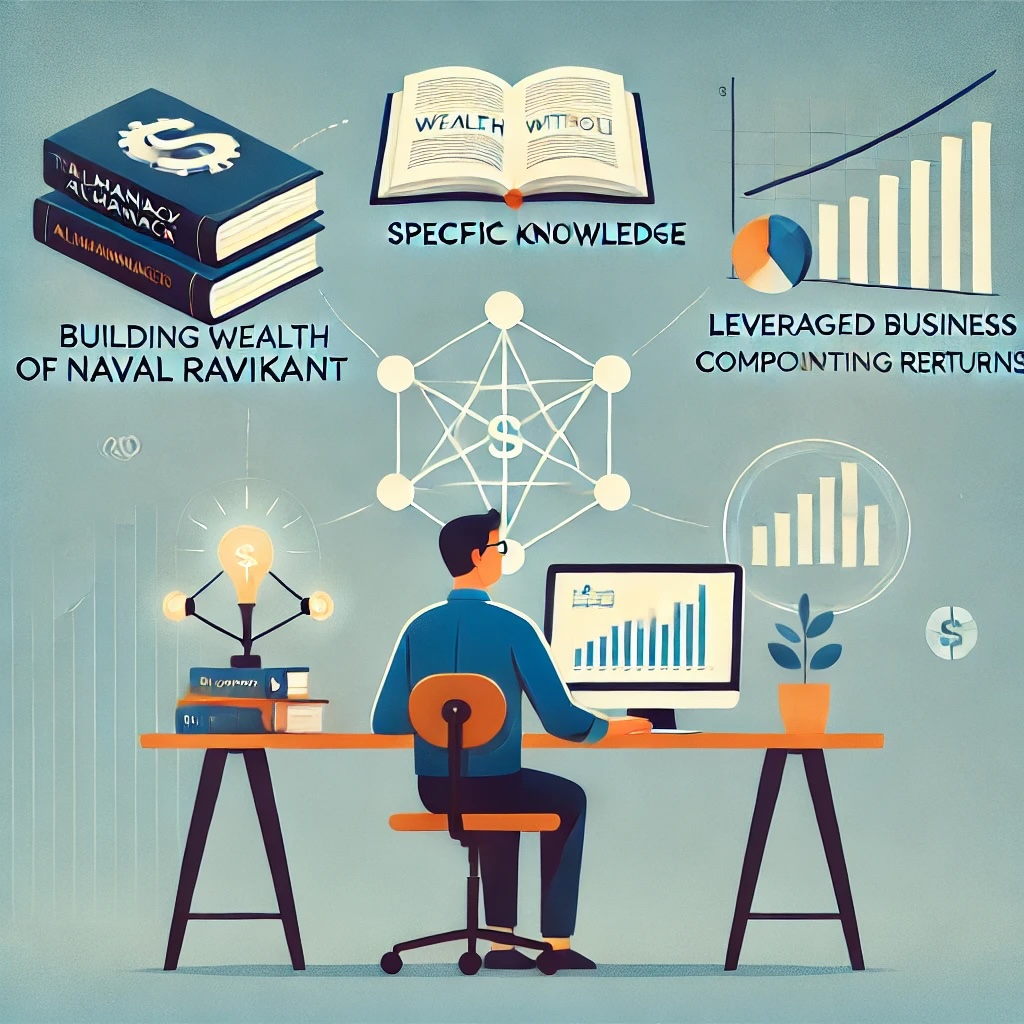
Our instinct is to seek pleasure and avoid pain, so we naturally lean toward what's easy now and overlook the long-term effects. But the choices that really change a life are usually the ones that look hard in the short term but compound over time. For example:
- Writing and creating content: no visible results at first, but over time it builds influence and wealth.
- Exercise and health: it takes grit to start, but in the long run it brings a better quality of life.
- Learning and building skills: hard work now, but it raises your competitiveness and income later.
When you face a choice, don't focus only on comfort now; consider the long-term return. Choosing the hard path that brings lasting value is the key to growth and success.
Happiness is a choice
Happiness doesn't depend on outside circumstances; it's an inner skill. Like building muscle, happiness can be cultivated through training the mind. Yet many people pour their time and energy into changing the outside world and ignore what's going on inside.
The nature of happiness: inner abundance
Only when you stop dwelling on past regrets and stop worrying about an uncertain future, and focus on the present, can you know real happiness. That peace doesn't come from material comforts but from inner harmony.
Happiness isn't a destination; it's a choice
Many people believe “once I have this thing, I'll be happy,” but that thinking traps you in an endless loop of desire. For example:
- You expect a new car to bring happiness, but once you have it the joy quickly fades and you feel just as empty.
- You chase material success, only to find that after reaching one goal you want more.
This doesn't mean you can't pursue material things, but you should understand that they can't bring lasting happiness. Real happiness comes from inner contentment, not from relying on outside conditions to fill an inner void.
Rather than constantly chasing more, learn to find happiness in the present.
Desire is the source of suffering
Desire is a contract you make with yourself
Until you get what you desire, you can't feel happy. That's why the more we have, the more puzzled we are that we're still not satisfied. This mechanism traps us on a “desire treadmill” — once we reach a goal, the excitement fades fast and we start chasing the next one, in an endless cycle.
Possessions and achievements don't equal happiness
Naval spent a great deal of time chasing wealth and status, but when he got them he found they didn't bring lasting happiness. He also noticed that many people who reached similar goals were still dissatisfied, which made him realize:
Real happiness comes from within, not from material conditions.
Let go of desire to find real freedom
Pursuing goals is human, but when desire becomes the source of suffering, it's time to ask whether we should live differently. Letting go of attachment to things and learning to be content with the present is how we experience real peace and happiness.
Real success isn't about how much you have, but about finding inner peace and freedom.
Meditation is intermittent fasting for the mind

Just as too much sugar overloads the body, too much information and anxiety exhaust the mind. Meditation is like a workout for the mind: it clears your thoughts and restores inner stability.
Peace is happiness at rest; happiness is peace in motion
When the mind is truly at peace, happiness arises naturally. That peace doesn't come from outside circumstances but from deep inner contentment. Rather than chasing brief excitement, look for a more lasting, more stable inner calm.
How does meditation help?
- Freedom from outside noise — meditation pulls us out of cluttered thoughts and information and back into the present.
- Better focus — with a more focused mind, we see life more clearly and make more rational decisions.
- Real freedom — through meditation we find inner stability, so outside changes don't throw our emotions around.
I meditate every day and feel its benefits deeply. When I meditate, I can clearly feel inner calm and focus on the flow of my breath, which gives me a powerful sense of inner stability. This “intermittent fasting” for the mind keeps anxiety away and brings a truly free mind.
What I took from the book
Never give up reading
Naval has loved reading since childhood. He sees reading not as a competition but as the gateway to wisdom, and keeping on reading as the most effective way to improve your thinking. He once got lost in social media, trying to learn from short videos and tweets, but found they only gave his brain a brief dopamine hit and left no real knowledge behind. So he went back to books, building wisdom through deep learning.
More certain than ever that FIRE is the right path
Naval stresses that choosing the hard but right path is what matters. In Taiwan, FIRE is often misunderstood as “not wanting to work” or “lacking ambition.” But FIRE isn't about endlessly piling up wealth; it's about having enough to freely choose how you live. It doesn't encourage escaping work; it's about finding what you love so that work becomes a choice, not a necessity for survival.
Chasing money alone won't bring happiness
There's a saying online: “When you lack money, go make money; when you lack meaning, go find meaning.” It resonated with me deeply.
When I started working, I put in 12-hour days, didn't rest even on weekends, and saved and invested like crazy. I was once so poor I had to live on NT$200 for a week — and that money was borrowed. I bought a big pack of Guanmiao noodles and soy sauce and ate them for a week until payday.
I thought that if I worked hard for a few years and made money, life would be happy. But more than a decade later, I found I was no longer short of money, yet still not truly happy. I began to ask: what is the key to happiness, really?
After some searching, I discovered I love creating. When I make something valuable and get positive feedback, I feel real happiness. So I started spending my free time creating rather than just chasing money. These days I don't need big money, a fancy car or designer labels to feed my vanity. If creating brings income, great — but even if it doesn't, I'll keep creating. I once read a line I deeply agree with: “I don't create to make money; I make money so I can keep creating.”
Conclusion: the true meaning of financial freedom
Naval's wisdom makes us rethink the relationship between money, wealth and life. He stresses not only that wealth comes from creating long-term value, but also that real freedom comes from inner peace, not endless material pursuit.
We often think success means having lots of money, but Naval tells us that money is only a tool; wealth is what matters. Through leverage, wisdom and choosing the right direction, we can make wealth work for us instead of spending our lives running after money.
And life shouldn't sacrifice the present for the future. Real “retirement” isn't not working — it's having choices. When we find what we love and can throw ourselves into it freely, we're already living the ideal life.
The core of this book isn't only about helping us “make more money,” but about helping us live more freely and more happily. In the end, the point of wealth isn't a lavish life, but having choices — living with more ease and true inner abundance.
This article was adapted from an episode of the FIRE University podcast, organized and structured with the help of AI, and finally reviewed and edited by the author before publication.
Listen to the episode (in Mandarin): EP19 Book talk: The Almanack of Naval Ravikant
Further reading: Does More Money Mean More Happiness? What Science Says About How Much Is Enough